
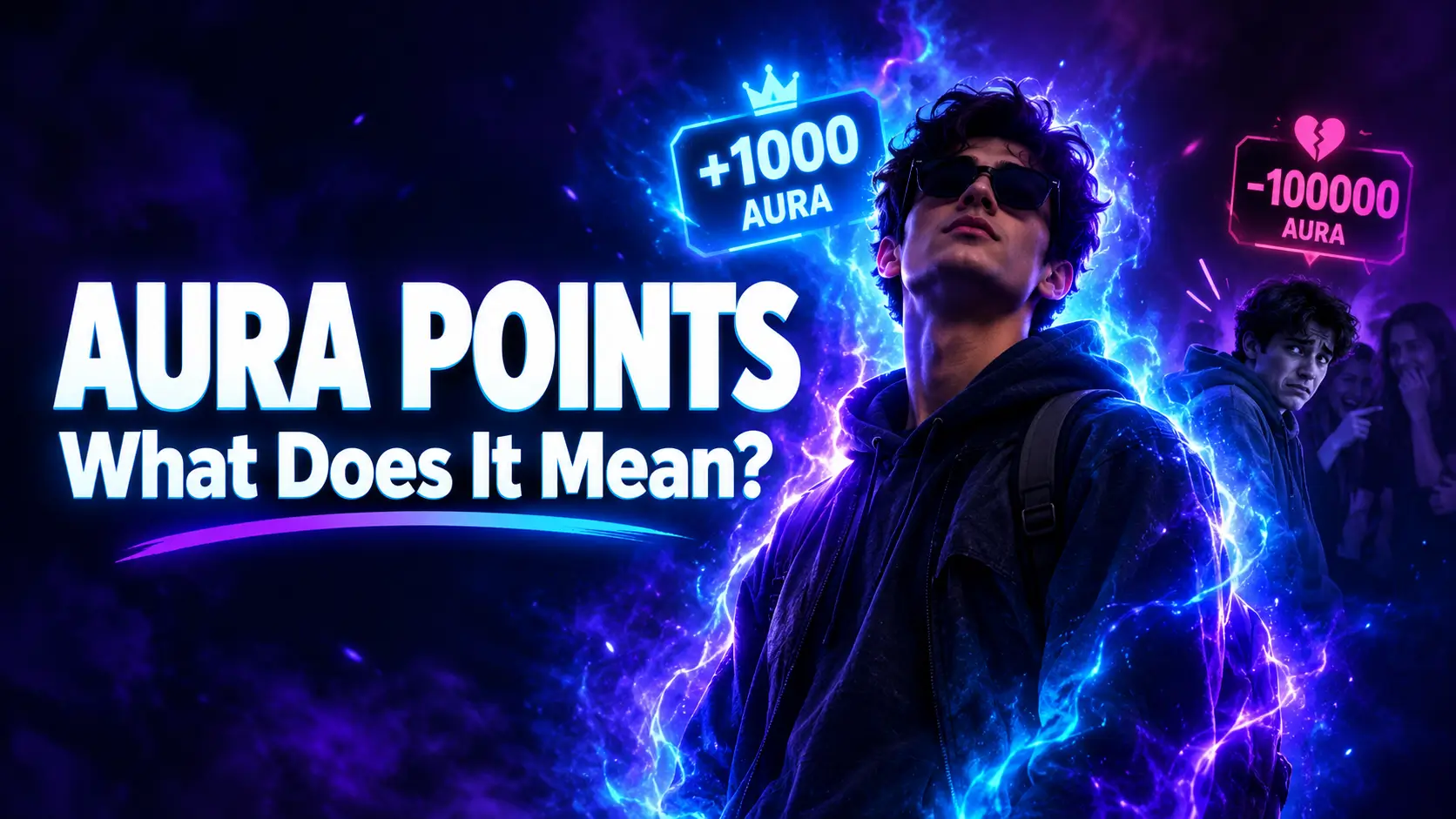
On TikTok, aura points are an imaginary scoreboard measuring personal coolness, effortless charisma, and social grace. When you do something naturally impressive, confident, or smooth, you gain aura points (+1,000 aura). But if you trip over flat carpet, wave back at someone who was waving at the person behind you, or drop your phone on your face in bed, you face an immediate, catastrophic penalty (-100,000 aura). It is Gen-Z’s humorous, gamified method of quantifying everyday social karma.
What You Need to Know
- Core Concept: Aura points represent an arbitrary metric for evaluating swagger, confidence, and social blunders.
- Origin Roots: Derived from anime battle energy, sports culture commentary, and gaming RPG status systems, as documented by Know Your Meme.
- The Math Is Pure Satire: Wins grant small modest gains (+500), while minor embarrassments trigger comically massive penalties (-1,000,000).
- Cultural Impact: The trend serves as lighthearted exposure therapy for secondhand embarrassment and everyday cringe.
The Anatomy of Aura: How the Imaginary Point Ledger Works
To understand the sudden obsession with aura points across TikTok, you have to look at how online humor deals with humiliation. Traditionally, making a fool of yourself in public produced quiet, burning dread. Gen-Z flipped that dynamic into a live role-playing game. Every action you take in public either increases your spiritual swagger or sends your balance spiraling into astronomical debt.
The rules of this game are entirely unspoken yet universally agreed upon. You cannot consciously try to build aura. The second you attempt to look cool on purpose, you instantly forfeit points. True aura requires complete nonchalance. If you catch a falling glass before it hits the floor without breaking eye contact, that is an easy +5,000 aura. But if you celebrate catching the glass, you immediately plummet by -10,000 aura for showing that you cared.
This dynamic mirrors the unexpected viral twists found in our breakdown of the iconic ‘Wait A Minute, Who Are You?’ meme, where sudden tonal shifts make online content explode into widespread pop-culture recognition.
From Shonen Anime to NBA Edits: The True Origin of Aura
While TikTok popularized the specific math of “points,” the concept of personal aura has older cultural roots. Historically, spiritual traditions viewed an aura as an energy field surrounding the physical body, a concept outlined on Wikipedia’s aura overview. However, modern internet culture adapted the term through two distinct subcultures: anime fandom and sports media.
In shonen anime like Dragon Ball Z, Jujutsu Kaisen, and Hunter x Hunter, powerful fighters radiate visible, crackling energy before a brawl. Anime fans began sharing clips of ruthless character moments—like Satoru Gojo calmly unmasking his eyes—labeling them as “pure aura.” Simultaneously, NBA Twitter and football communities adopted the term to describe athletes walking into arenas in sharp suits or delivering cold, game-winning stare-downs.
By early 2024, high school students and viral creators stripped away the athletic greatness and mapped the concept onto awkward suburban life. Suddenly, aura was not about hitting buzzer-beaters in Madison Square Garden; it was about surviving an encounter with an automatic sliding door that refused to open.
| Action / Real-Life Scenario | Context / Trigger | Vibe Check & Psychological Meaning | Point Impact & Verdict |
|---|---|---|---|
| Parallel parking on the first try | Crowded street with passengers watching | Peak competence, calm under public scrutiny | +2,500 Aura |
| Tripping over air and jogging to cover it | College hallway or sidewalk | Desperate denial; the jog makes the failure twice as loud | -50,000 Aura |
| Choking on water in dead silence | Quiet lecture hall or movie theater | Biological betrayal; sudden involuntary spotlight | -250,000 Aura |
| Paying for the table without mentioning it | Group dinner at a sit-down restaurant | Effortless generosity, boss mentality | +100,000 Aura |
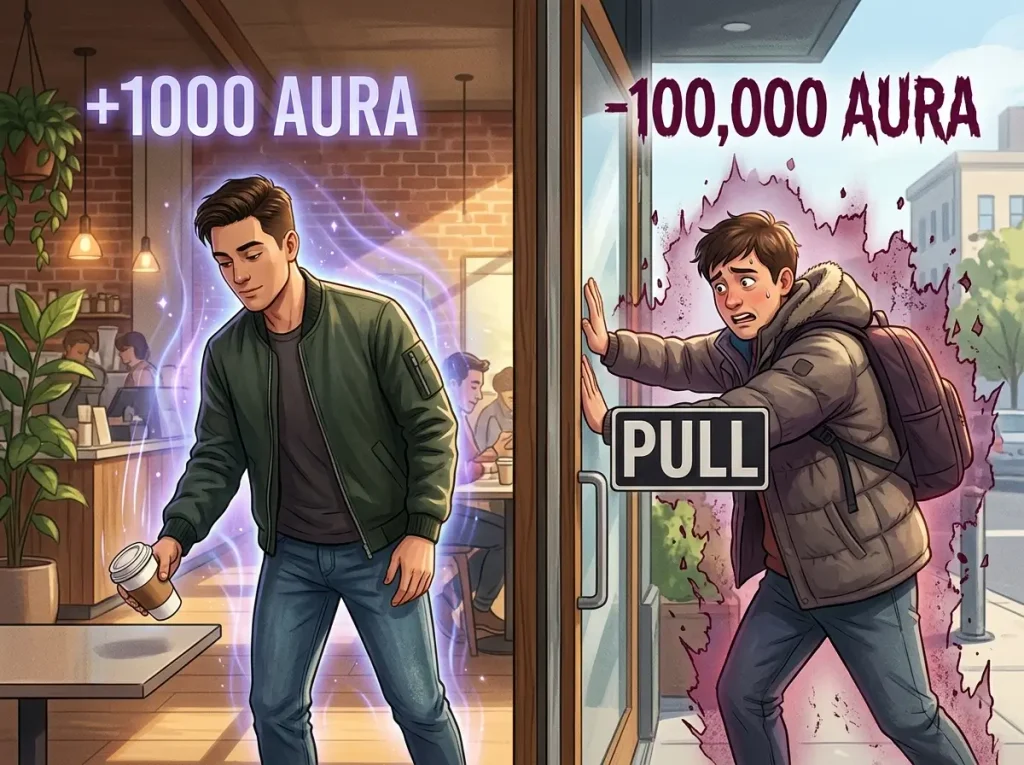
| Pulling a door marked PUSH | Busy coffee shop during morning rush | Basic reading failure observed by twenty strangers | -1,000,000 Aura (Bankrupt) |
The Psychology of Cringe: Why Aura Deficits Are Cathartic
Why did keeping an imaginary score of personal prestige strike such a chord with millions of young users? The answer lies in how social media shifted over the last decade. For years, platforms rewarded curated perfection. Instagram feeds displayed immaculate vacations, flawless skin, and meticulously edited lifestyle vlogs. That artificial gloss eventually created aesthetic burnout.
Aura points work in the opposite direction. The trend functions as a collective confession booth for our clumsiest moments. Instead of bottling up the shame of stumbling over a curb or having your debit card decline while buying an iced coffee, framing the blunder as “-50,000 aura” transforms a painful memory into a comedic punchline.
This dynamic feels familiar to fans of unsettling cringe entertainment. In our analysis of cringe-comedy shows like The Curse, the humor stems directly from watching characters bleed social dignity in excruciating slow motion. Aura memes tap into that identical thrill: observing social survival instincts collapse in real time.

- Converts humiliating everyday mishaps into shareable, self-deprecating comedy.
- Demands zero physical equipment or high production values to participate.
- Creates a universal conversational shorthand that transcends friend groups.
- Overusing the phrase in offline corporate settings will trigger rapid slang burnout.
- Some comment sections turn toxic when rating actual people rather than self-deprecating creators.
Hidden Clues & Cultural Perspective: What the Trend Truly Reveals
Beyond the surface-level TikTok skits, tracking aura reveals three fascinating truths about modern digital culture that critics frequently overlook:
1. The Gamification of Daily Social Anxiety
Video games have conditioned an entire generation to think in terms of HUDs, hit points, and debuffs. Gen-Z did not merely invent a slang term; they applied tabletop roleplaying mechanics to real-life social encounters. When someone says their aura is “in the negatives,” they are treating social anxiety like an in-game status effect, easing psychological tension through playful metaphor.
2. The Anti-Flex Revolution
Previous internet eras prioritized flexing wealth, cars, and designer brands. But in the aura economy, ostentatious flexing often results in negative points. Bragging about how much money you spent on bottle service instantly drains your balance, while sitting quietly in vintage clothing reading a paperback novel in an airport terminal grants major bonuses. It signals a shift toward understated authenticity.

3. The Horror-Comedy Crossover
Losing aura carries an eerie tension reminiscent of low-stakes horror. Just like the calculated psychological tension explored in our Late Night with the Devil jump-scare guide, an aura deficit relies on impending doom. You know the exact moment the disaster happens—the shoe coming untied, the awkward silence—and you can only watch helplessly as your dignity evaporates.
Aura Points in Pop Culture: Cinema and Streaming Examples
To grasp aura in practical storytelling, look at modern cinema and television. On IMDb, character popularity frequently correlates with unspoken aura rather than sheer dialogue volume. Consider Cillian Murphy’s portrayal of Thomas Shelby in Peaky Blinders: he rarely raises his voice, never runs, and commands rooms through absolute stillness. That is maximum aura.
Conversely, look at high-tension thrillers like Uncut Gems on Netflix. Adam Sandler’s Howard Ratner spends the entire film operating at a perpetual minus-three-million aura balance, constantly scrambling, pleading, and chasing bets. Both archetypes illustrate why audiences find aura metrics so compelling: we instinctively measure the presence of every protagonist on screen.
Frequently Asked Questions
Can your aura points ever go below zero?
Yes, and in fact, most viral videos thrive in the deep negatives. Having “negative aura” or being “aura bankrupt” means an individual suffered an embarrassment so profound that simply entering a room requires an apology. The fun of the meme is seeing how absurdly low people can drop their own balances.
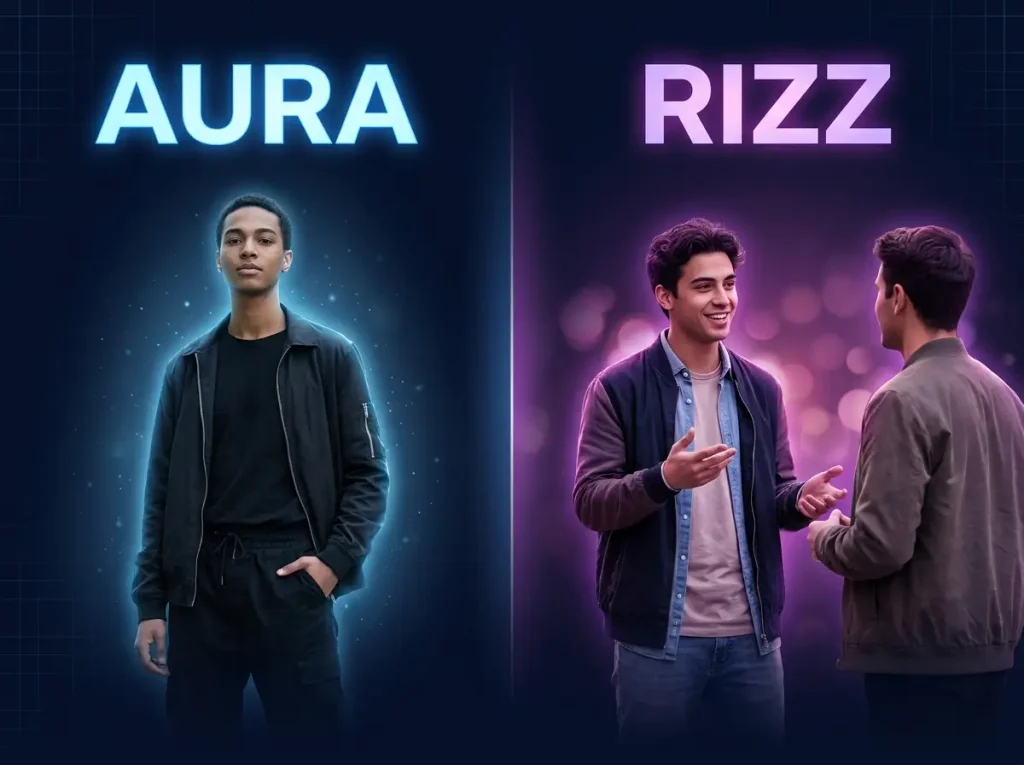
Is having aura the same thing as having “Rizz”?
No. While both terms describe social competence, “rizz” refers specifically to romantic charisma and verbal charm. Aura is far broader. You can possess massive aura without saying a single word or attempting to flirt with anyone. Rizz is an active skill, whereas aura is an ambient presence.
How do you recover lost aura points?
Recovery requires committing a genuinely unbothered, high-confidence act without overcompensating. Laughing at yourself, executing a clean athletic play, or calmly walking away from drama can steadily rebuild your score. However, trying to explain away your mistake will only dig the hole deeper.
Final Thoughts: The Infinite Game of Cool
Aura points may eventually fade into the museum of obsolete internet slang, but the human instinct behind them remains permanent. We will always seek language to describe why certain people command respect effortlessly while others slip on banana peels the moment they try to impress someone. In the end, acknowledging your lost points is the fastest way to get them back.
What is the worst incident that cost you thousands of aura points this week? Drop your score in the comments below!