
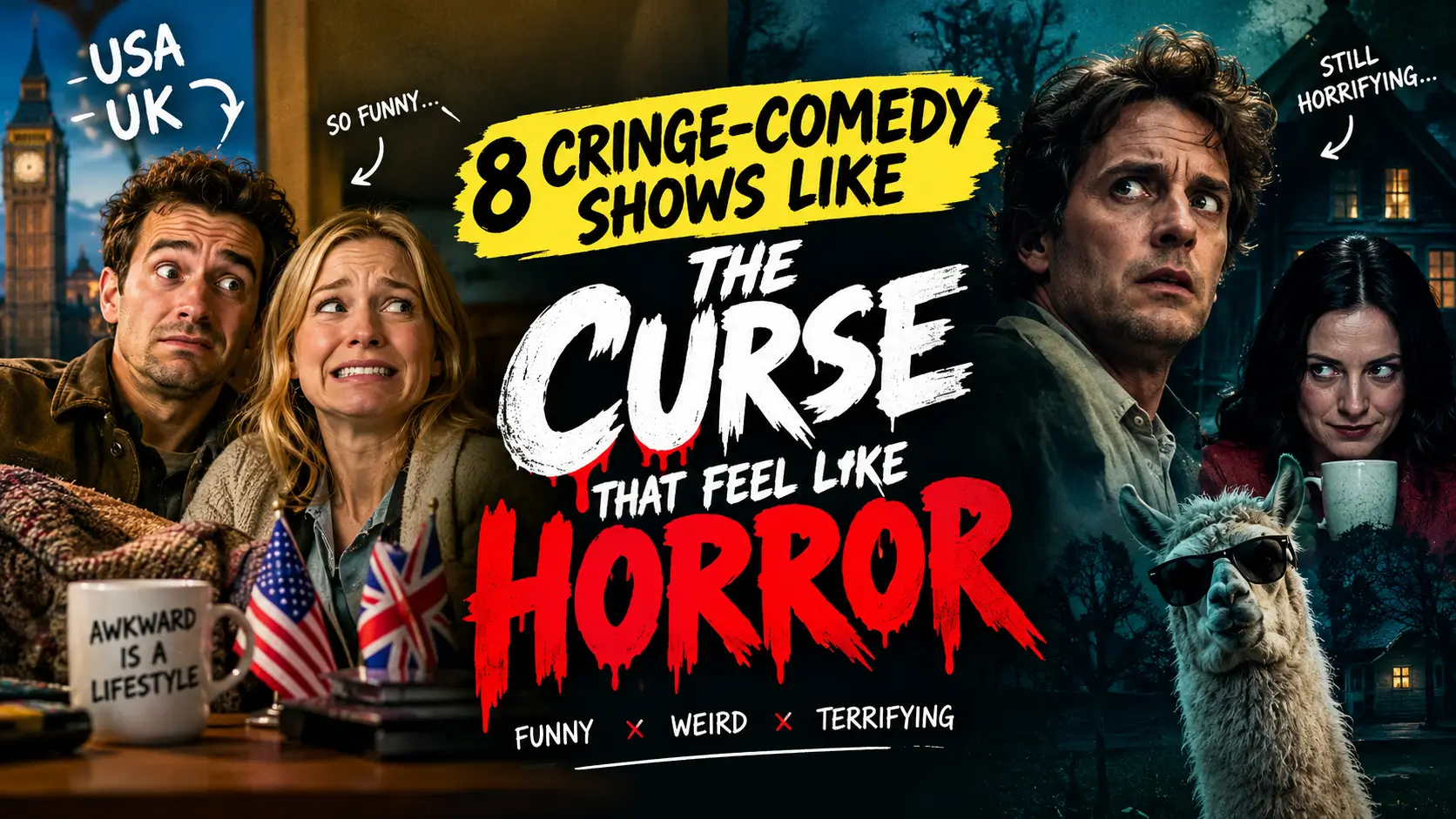
You know that exact physical sensation when you have to pause your TV, pull your knees to your chest, and bury your face in a throw pillow just to survive a scene? That is not standard laughter. That is your nervous system mistaking social humiliation for a predatory threat.
When Nathan Fielder and Benny Safdie unleashed The Curse on Showtime, they turned second-hand embarrassment into a full-blown subgenre: cringe-horror. Between Asher and Whitney Siegel’s hollow performative smiles, John Medeski’s shrieking microtonal synth score, and voyeuristic cameras shooting through cracked doorways, the show proved that watching a bad marriage slowly rot under gentrification hurts worse than any masked killer with a machete.
If you finished that mind-bending, gravity-defying finale and immediately craved more media that makes your chest tighten, we have you covered. Here are eight uncomfortable cringe-comedy shows that trade cheap punchlines for existential dread, weaponizing awkward silences until you feel like you are watching a psychological horror film.
The Short Answer
Shows like The Curse work by transforming social anxiety, moral hypocrisy, and unearned confidence into agonizing psychological tension. The best follow-up watches are Nathan Fielder’s The Rehearsal (for existential dread), Lisa Kudrow’s The Comeback (for pure public humiliation), and FX’s Atlanta (for surreal social horror). If you want gut-churning relationship toxicity, cue up Netflix’s Beef tonight.
| Show Title | Where to Stream | Vibe / Scare Factor | Why It Fits The Curse Energy |
|---|---|---|---|
| The Rehearsal | Max | 10/10 (Existential Dread) | Fielder constructs life-size dollhouses of real trauma, dissolving reality. |
| The Comeback | Max | 9/10 (Raw Humiliation) | Unblinking camera crews capture Valerie Cherish eating endless industry abuse. |
| Atlanta | Hulu | 9/10 (Surreal Paranoia) | Standout episodes like “Teddy Perkins” bridge comedy and Jordan Peele-tier terror. |
| Review | Paramount+ | 8/10 (Slow-Motion Tragedy) | A man methodically destroys his marriage and health to review life experiences. |
| Peep Show | Tubi / Hulu | 8/10 (Claustrophobic Panic) | First-person camera work traps you inside two pathological, petty minds. |
| Search Party | Max | 9/10 (Spiraling Guilt) | Self-absorbed Brooklyn hipsters morph from detective satirists into genuine monsters. |
1. The Rehearsal (Max)
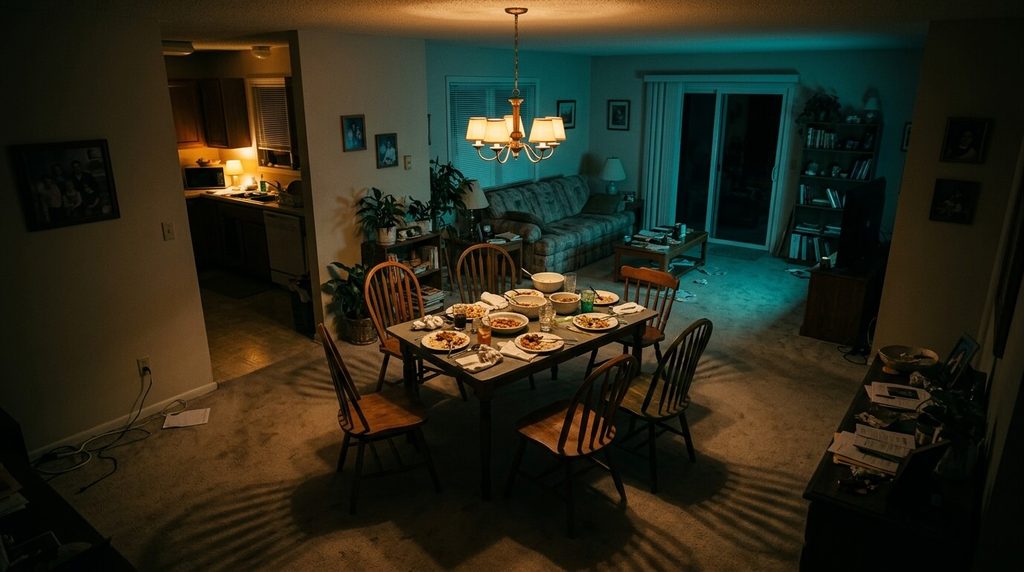
Before Nathan Fielder stepped into Asher Siegel’s high-waisted khakis, he engineered the single most unnerving experiment in television history. The Rehearsal begins with an absurd premise: Nathan helps ordinary people prepare for difficult real-life conversations by constructing 1:1 scale replicas of bars, living rooms, and restaurants.
By episode four, the comedy curdles into full psychological disorientation. Nathan moves into a rural Oregon farmhouse to co-parent a rotating roster of child actors with a deeply religious stranger named Angela. You find yourself gripping your sofa, wondering what is real, who is being exploited, and whether Fielder is an emotionally detached genius or an architect of his own private purgatory. It carries the exact sterile, clinical chill that makes The Curse impossible to shake.
2. The Comeback (Max)
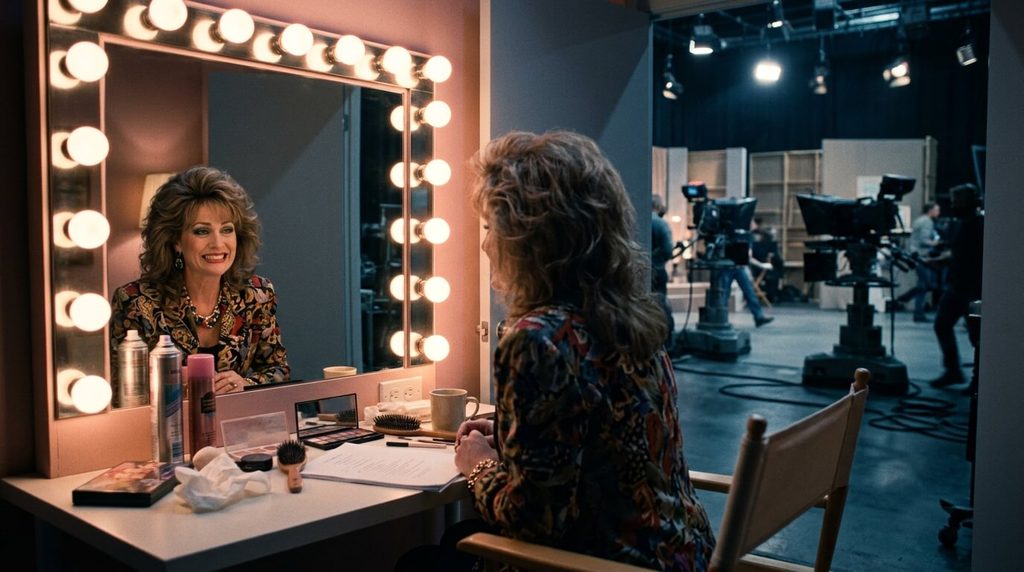
Long before reality TV gave way to TikTok narcissism, Lisa Kudrow and Michael Patrick King built a masterpiece of slow-burn social torture. Valerie Cherish (Kudrow) is an aging 90s sitcom star desperately clinging to relevance by starring in a raw, invasive reality show while playing a degrading supporting role on a bro-heavy network sitcom.
There are no jump scares, but watching Valerie endure casual cruelty from dismissive showrunners while maintaining a manic, frozen smile will make your stomach drop. The camera refuses to cut away during her most humiliating moments. It feels like watching someone slowly drown in a swimming pool while waving cheerily to the lifeguard.
- Replaces predictable jump scares with excruciating, unedited real-time silences.
- Exposes the toxic vanity and social performance we all pretend we don’t engage in.
- Subverts classic television formats, making you question what is staged versus candid.
- These shows trigger acute second-hand embarrassment that can cause physical restlessness.
- Do not expect tidy resolutions; several of these titles end on disturbing, surreal cliffhangers.

3. Atlanta (Hulu)
Donald Glover’s groundbreaking series shifted shapes constantly, but its sharpest weapon was always low-level dread. Set against the surreal realities of the music industry and modern American race relations, Atlanta frequently dipped into unfiltered horror territory.
Look no further than Season 2’s “Teddy Perkins,” where Darius (LaKeith Stanfield) travels to a sprawling, decaying mansion to pick up a free piano from a reclusive, bleached-skin eccentric. The episode plays out with zero laugh tracks and total gothic menace. Even standard daytime episodes, like Earn trying to spend a hundred-dollar bill at a movie theater, produce suffocating tension by demonstrating how quickly institutional rules can crush an ordinary person.
4. Beef (Netflix)
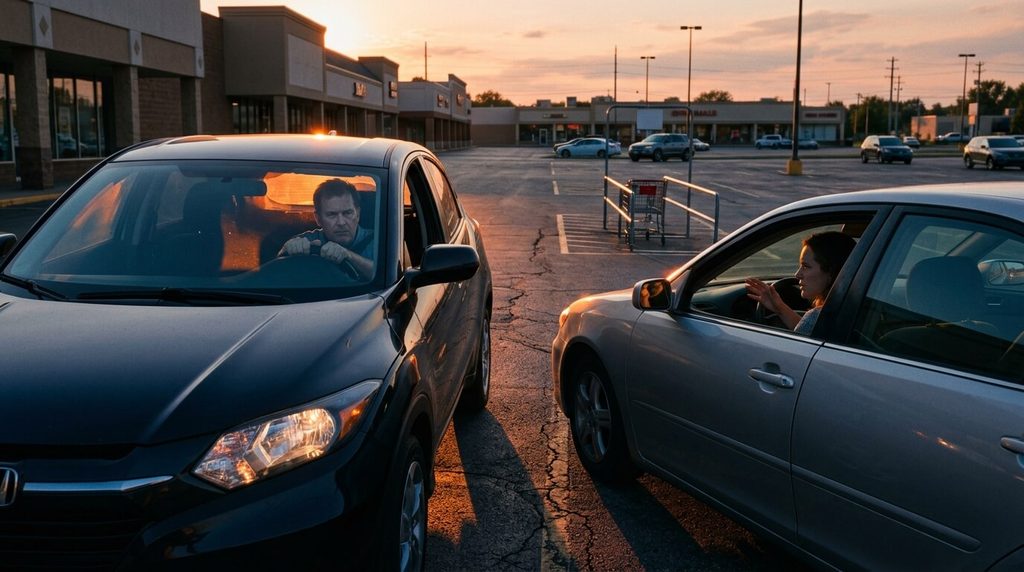
Created by Lee Sung Jin, Beef takes an everyday micro-aggression—a parking lot honk and a flipped middle finger—and uses it to detonate two people’s entire lives. Steven Yeun’s struggling contractor Danny and Ali Wong’s repressed entrepreneur Amy embody the exact same desperate, image-obsessed hunger that doomed Whitney Siegel.
What makes Beef feel so much like horror is its escalation logic. Every time you think these two miserable souls have reached rock bottom, one of them digs up the floorboards. By the time the final episodes descend into hostage situations and psychedelic desert delirium, you are witnessing an unhinged psychological thriller disguised as an indie dramedy.
5. Peep Show (Tubi / Hulu)
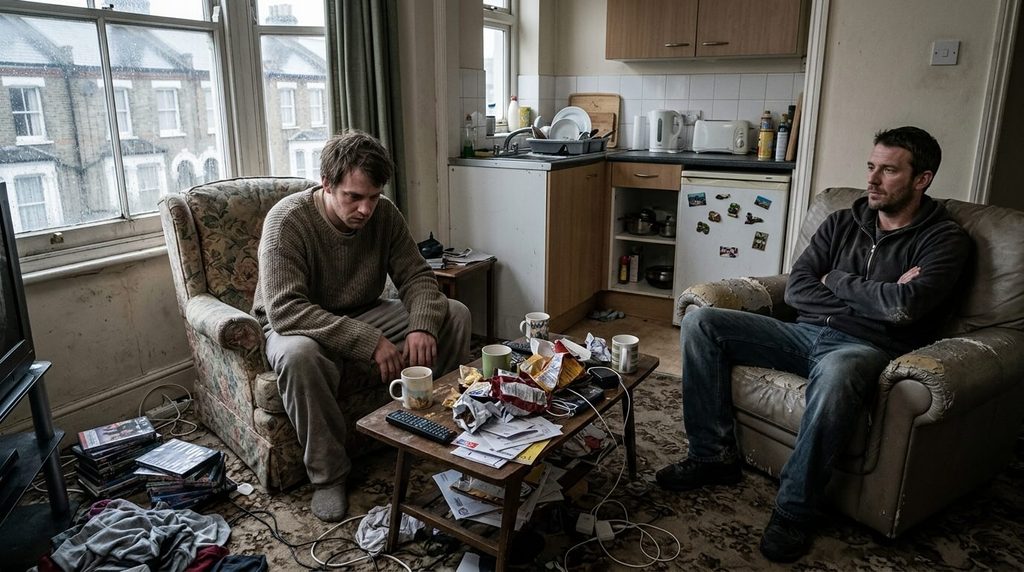
If you thought the voyeuristic surveillance shots in The Curse felt invasive, British cult classic Peep Show will rewire your brain. Every single scene is shot entirely from the point-of-view of its two leads—neurotic loan officer Mark Corrigan and deadbeat musician Jeremy Usborne—complete with their bitter, cynical internal monologues running on audio overlay.
You cannot escape their worst thoughts. Whether Mark is stalking a coworker or Jeremy is cooking a pet dog on a canal boat to avoid an awkward breakup, the claustrophobia is lethal. It is proof that human selfishness, when laid bare with zero Hollywood glamour, is the scariest movie monster alive.

6. Search Party (Max)
What starts as a vicious satire of narcissistic millennial hipsters looking for a missing college acquaintance turns into one of the most stressful crime thrillers of the past decade. Dory Sief (Alia Shawkat) is an empty vessel desperate for purpose, dragging her self-absorbed friends into blackmail, accidental homicide, and courtroom circus acts.
The transition from dry irony to genuine dread is seamless. By the time the series reaches its final seasons, dealing with gaslighting, high-stakes cult psychology, and an apocalyptic ending that rivals The Curse‘s floating sequence for sheer narrative audacity, you realize you spent five seasons laughing at the architects of armageddon.
7. Review (Paramount+)
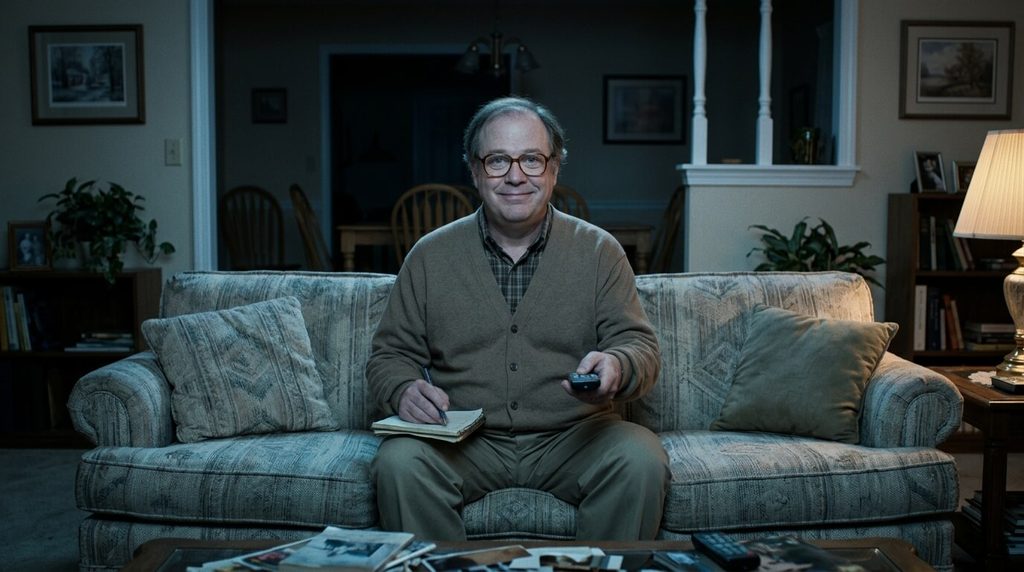
Andy Daly’s Review is framed as a breezy cable show where critic Forrest MacNeil reviews life experiences instead of art or food. Viewers send in prompts like “What’s it like to eat 15 pancakes?” or “What’s it like to steal?”
The horror emerges when Forrest takes his professional duty with religious devotion. When asked to review “Divorce,” he methodically detonates his happy marriage to his soulmate Suzanne, refusing to explain that it is for television. Watching a polite, cardigan-wearing man destroy his own life, alienate his son, and invite cartel violence into his suburban home for arbitrary star-ratings is heartbreaking, horrifying, and hysterically bleak.
8. I Think You Should Leave with Tim Robinson (Netflix)
At first glance, Tim Robinson’s breakneck sketch series seems purely manic. But pay attention to the emotional spine of almost every sketch: a character makes a minor social faux pas, realizes everyone in the room noticed, and decides they would rather destroy reality itself than admit they were wrong.
Whether it is a man choking on a hot dog during an office meeting or refusing to push a door open because the sign says pull, Robinson taps into the exact primal dread of public humiliation that drives The Curse. It is social anxiety cranked to 150 decibels, playing like David Lynch directing a clown show.
Hidden Clues & Details You Probably Missed
Rewatching these cringe-horror landmarks reveals intentional craft choices that heighten your physiological stress without you even realizing it:
- The Sub-Audible Audio Drone: In both The Curse and The Rehearsal, the sound design uses low-frequency hums and dissonant woodwinds beneath totally mundane conversations. Your brain subconsciously registers these sonic frequencies as environmental danger cues, raising your heart rate during basic real estate meetings.
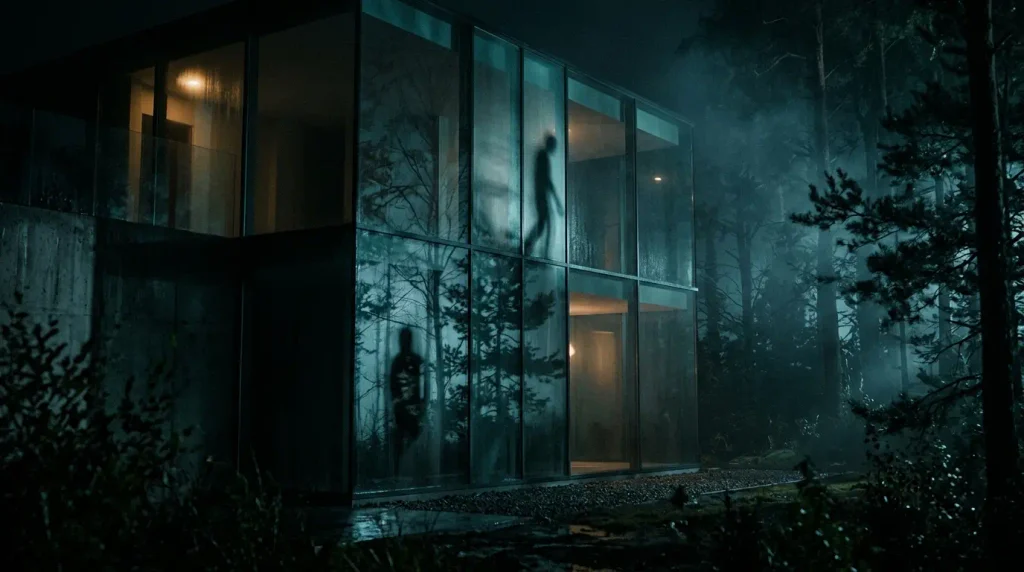
- The Disappearing Reflections: In The Curse, the mirrored passive house consistently distorts and chops the characters’ bodies in background reflections, visually foreshadowing Asher’s eventual detachment from physical reality in the final episode.
- Valerie’s Red Hair in The Comeback: Throughout both seasons, whenever Valerie Cherish’s life spins further out of control, her hair dye becomes noticeably harsher, neon, and unnatural under the studio lights, emphasizing how artificial her environment has become.
Frequently Asked Questions
What genre is The Curse considered?
The Curse is officially categorized as a satirical black comedy and psychological drama. However, critics and viewers frequently classify it as “cringe-horror” or “social horror” due to its persistent use of thriller camera techniques, discordant audio scores, and anxiety-inducing narrative pacing.
Why does cringe comedy trigger physical stress?
Neuroscience studies indicate that witnessing extreme social errors activates the anterior cingulate cortex and anterior insula—the same brain regions responsible for processing physical pain and visceral disgust. When characters experience humiliating rejection, your brain simulates that social alienation as an immediate survival threat.
Is Nathan Fielder playing a character in The Rehearsal?
Yes. While Nathan Fielder uses his real name and background, he portrays an exaggerated, hyper-formal, and emotionally stunted version of his real persona. This blurred line between documentary reality and scripted performance art is central to the show’s unsettling tone.
Which of these shows made you pause the screen the most times just to catch your breath? Drop your favorite cringe-horror moments in the comments below!